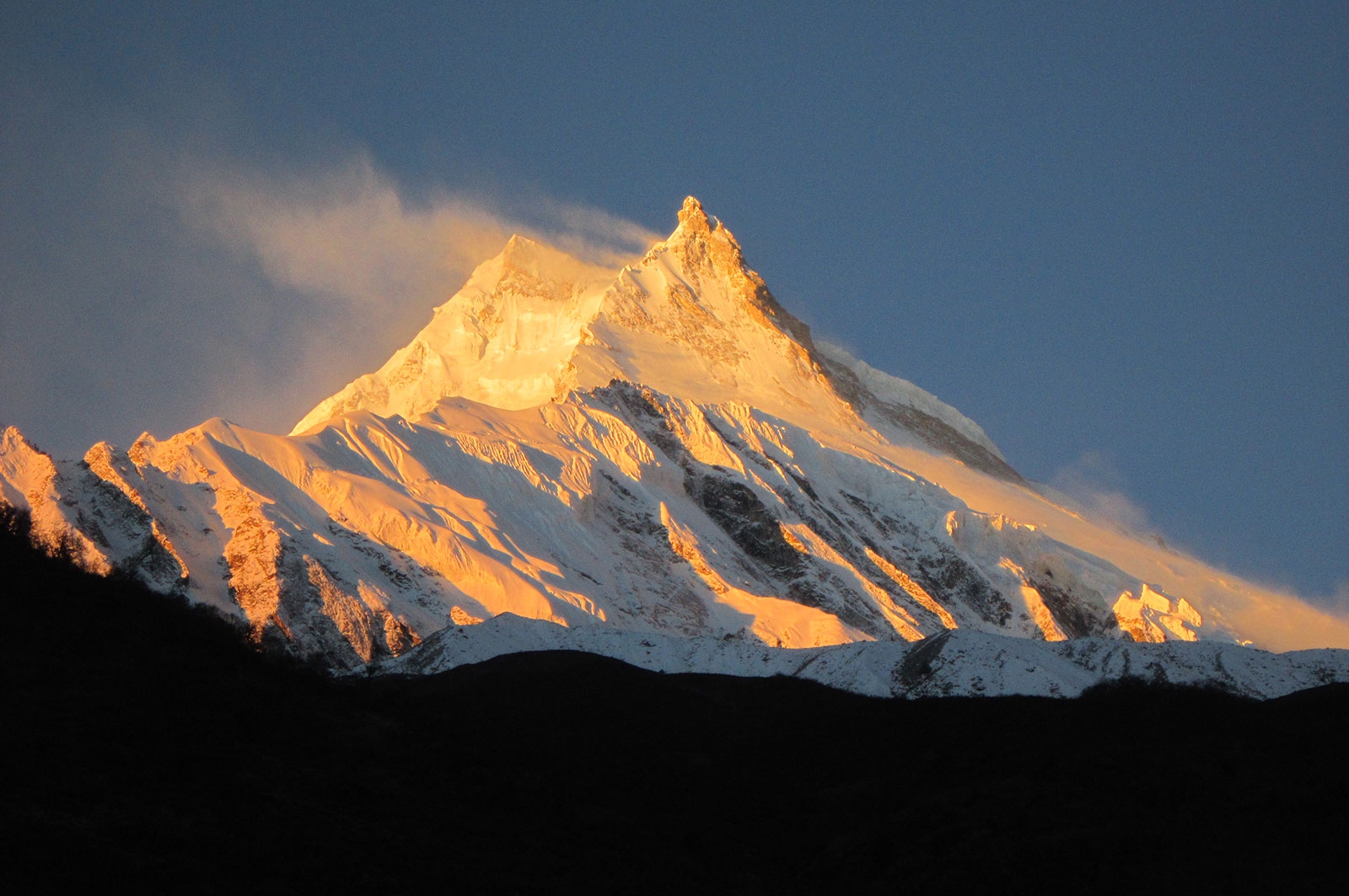
Mountaineering is more than the challenge of climbing high mountains. It is a growing field that combines adventure, tourism, outdoor education, environmental conservation, professional guiding, and international expedition management. With the Himalayas attracting climbers and adventure seekers from around the world, mountaineering has significant potential, particularly in Nepal.
The global interest in mountain adventures continues to create opportunities for professional climbers, guides, trekking agencies, expedition companies, and mountain-support services. Nepal, home to Mount Everest and many other Himalayan peaks, has a particularly strong position in this industry.
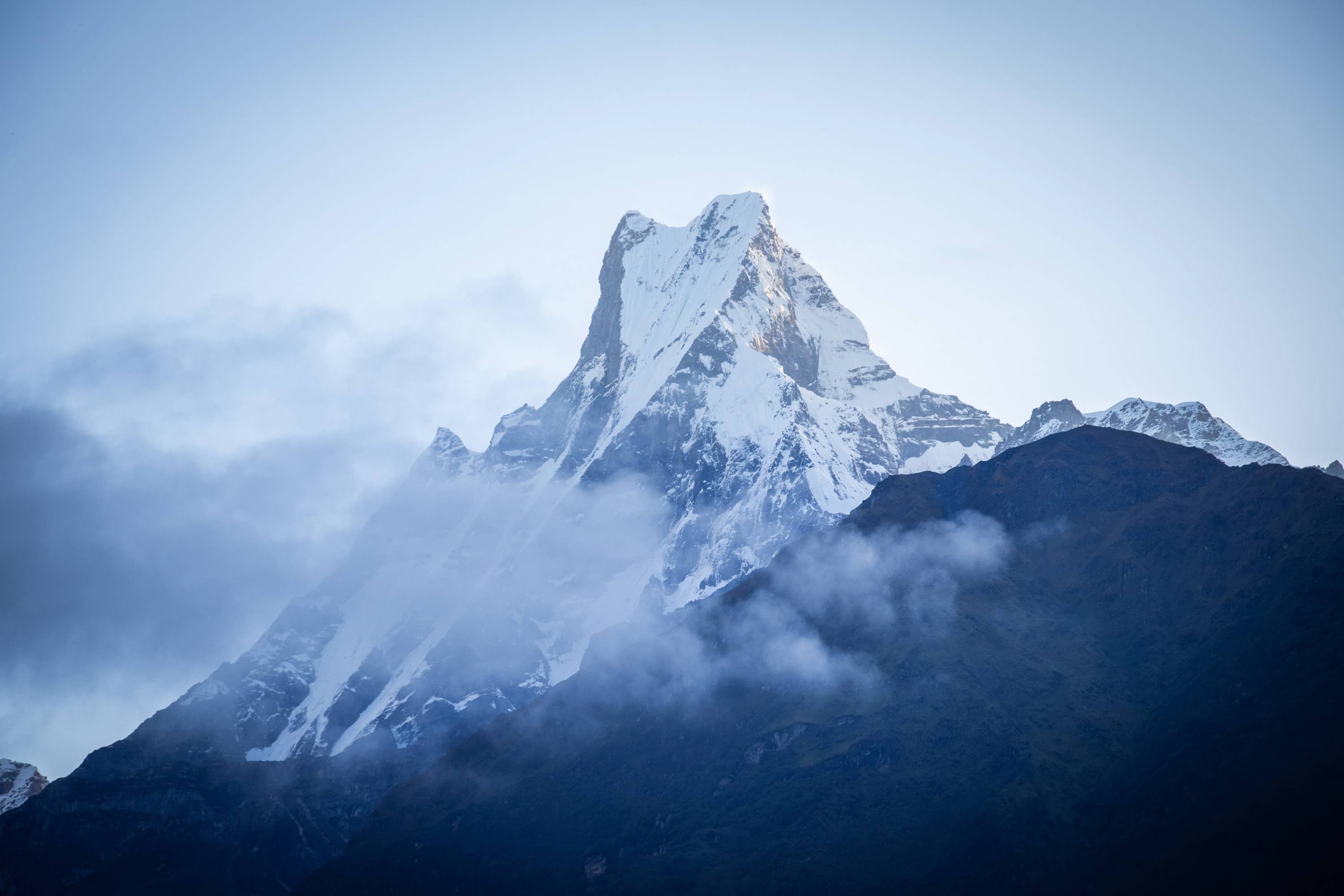
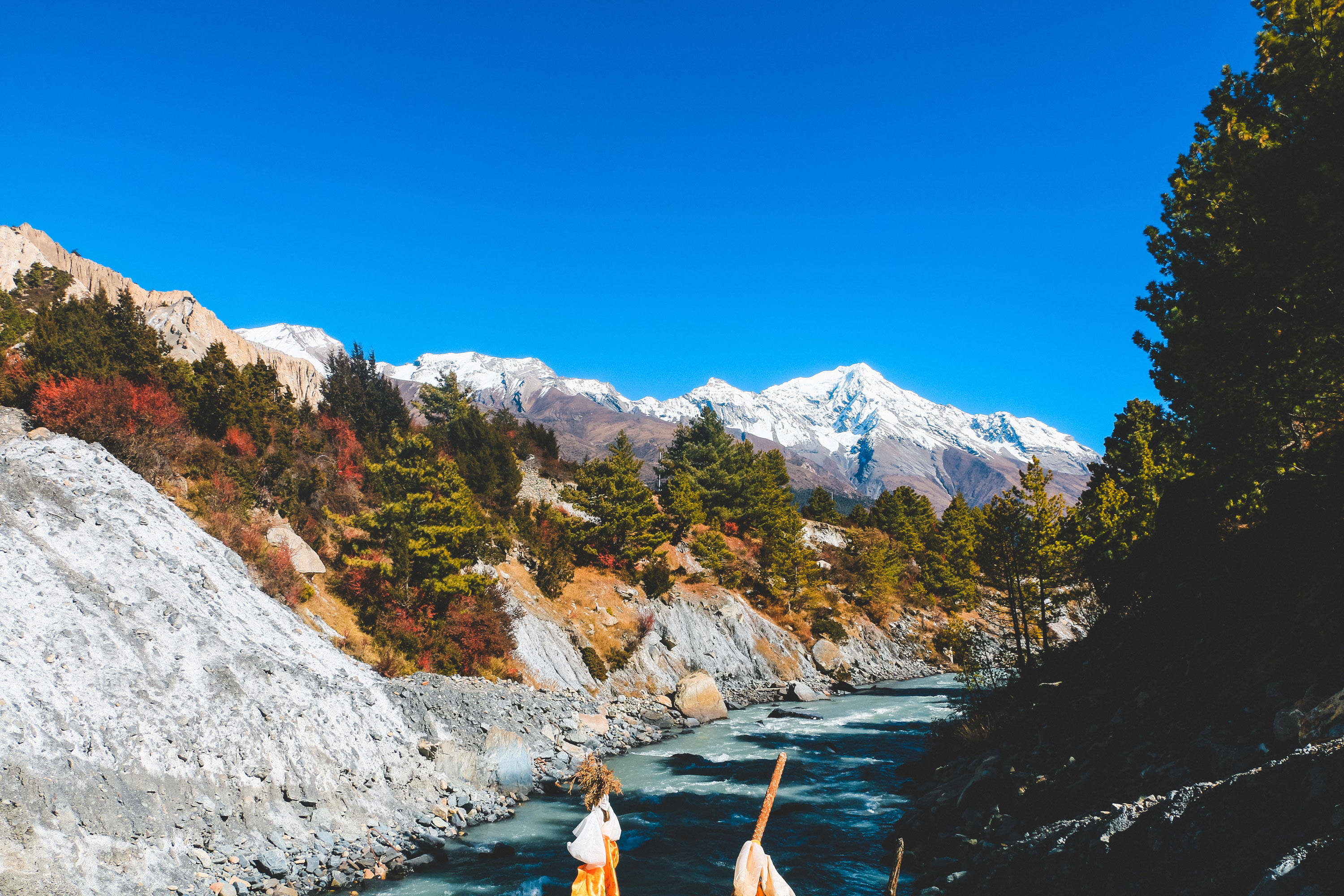
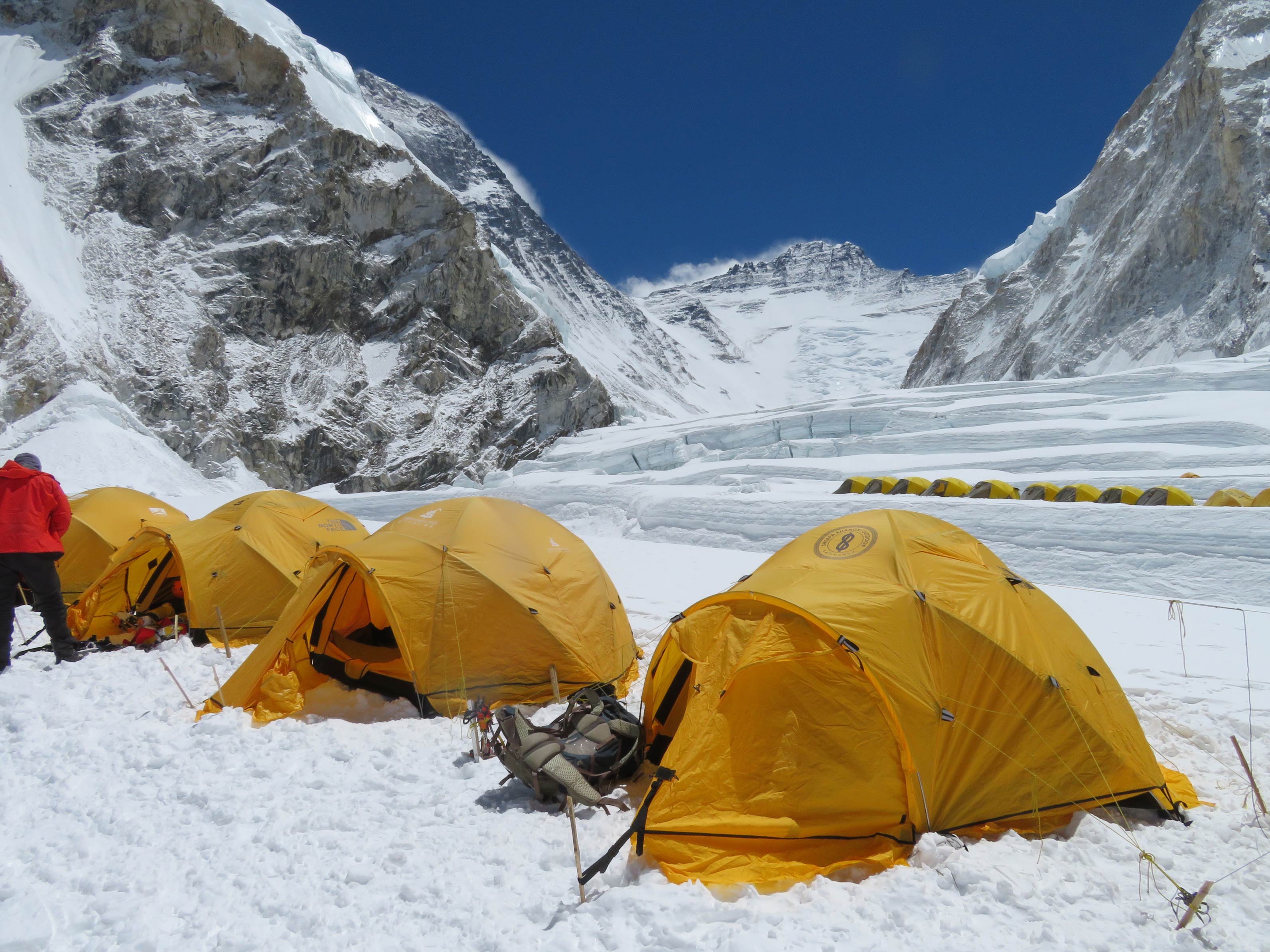
Mountaineering activities range from trekking peaks and technical climbing to high-altitude expeditions on mountains above 7,000 and 8,000 meters. Each area creates opportunities for people with specialized skills and experience.
Mountaineering can provide a wide range of professional careers, including:
Mountaineering contributes to local and national economies through climbing permits, trekking services, accommodation, transportation, equipment rental, guiding, portering, food services, and other tourism-related activities.
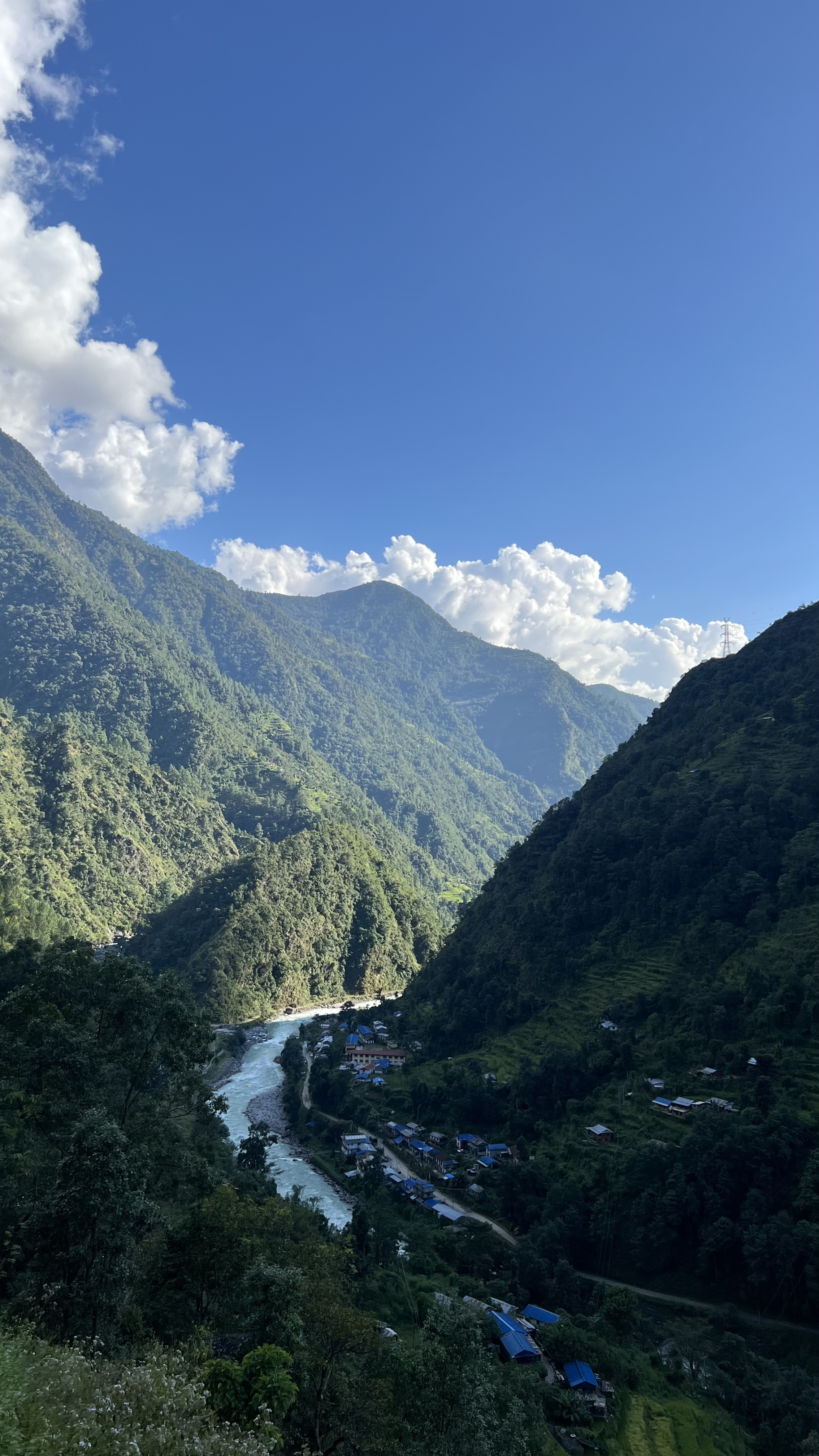
In mountain regions, the industry can also provide employment opportunities for local communities. Guides, porters, cooks, lodge owners, drivers, rescue teams, and other service providers all play an important role in the expedition economy.
For young people interested in adventure and outdoor careers, mountaineering offers opportunities to develop valuable skills such as leadership, teamwork, decision-making, navigation, risk management, first aid, and emergency response.
With proper training and experience, a person can progress from trekking and basic climbing to technical mountaineering and professional guiding. International certifications and specialized mountain training can further expand career opportunities.
Modern technology is transforming mountaineering. GPS navigation, satellite communication, weather forecasting, drones, high-altitude medical equipment, improved climbing gear, and digital expedition management systems are making expeditions more organized and safer.
At the same time, social media and digital content have created new opportunities for climbers and expedition companies to promote their journeys, attract international clients, and share the beauty of the mountains with a global audience.
The future of mountaineering depends heavily on responsible and sustainable practices. Increasing numbers of visitors can put pressure on fragile mountain environments through waste, pollution, overcrowding, and damage to ecosystems.
Sustainable mountaineering should therefore focus on responsible waste management, environmental protection, respect for local communities and cultures, and responsible use of mountain resources.
The scope of mountaineering extends far beyond reaching a summit. It is a diverse industry offering opportunities in adventure tourism, professional guiding, expedition management, rescue, education, entrepreneurship, media, equipment, and environmental conservation.
For countries such as Nepal, mountaineering represents an important part of the tourism industry and a significant source of employment and economic opportunity. With proper training, safety standards, sustainable practices, and responsible tourism, the future of mountaineering can be both adventurous and economically rewarding.